Introduction
When it concerns health care, one location that usually does not get the interest it is worthy of is bowel administration. With an expanding number of patients requiring complex bowel care as a result of numerous clinical problems, recognizing reliable approaches can significantly enhance client outcomes. This write-up dives deep into Complex Bowel Administration Strategies for Improved Person Outcomes, exploring different elements such as training for caretakers, certain training courses offered, and practical suggestions for handling bowel health effectively.
Complex Bowel Monitoring Techniques for Improved Patient Outcomes
Bowel administration is not almost resolving prompt needs; it includes a holistic method that thinks about the client's general health and wellness, convenience, and lifestyle. To tackle issues varying from urinary incontinence to stoma care, medical care professionals and caregivers require to create extensive strategies that can be customized to specific patients.
Understanding Digestive tract Care: An Overview
In the context of medical care, bowel treatment entails a series of interventions targeted at promoting digestive tract consistency and handling conditions impacting the intestinal system. It might consist of way of living modifications, nutritional changes, medication monitoring, and specialized training for caregivers.
What Is a Stoma?
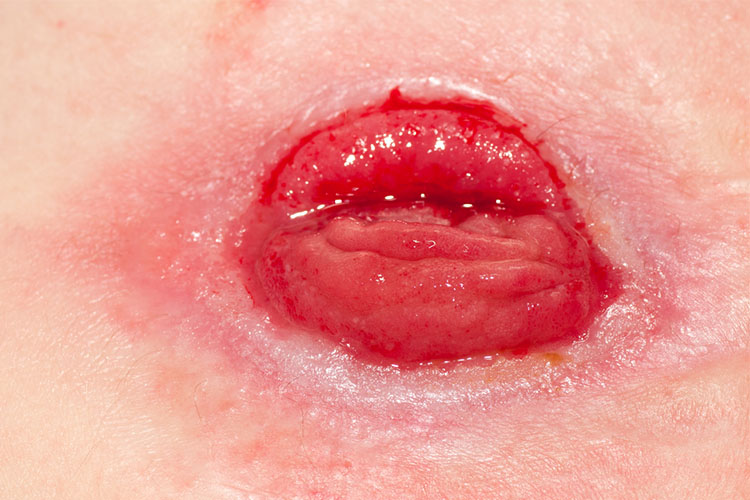
A stoma is an opening up produced operatively on the abdomen that allows waste to exit the body when component of the gastrointestinal system is compromised. Understanding what an ostomy involves is vital for efficient care management.
What Is Ostomy Care?
Ostomy treatment describes the methods associated with looking after a stoma and the surrounding skin. This consists of changing ostomy bags, checking skin stability, and making certain hygiene to avoid complications.
The Importance of Training in Complicated Digestive Tract Care
Ndis Complex Bowel Care Training
The National Handicap Insurance policy Plan (NDIS) supplies specialized training programs made to outfit caregivers with the skills needed for offering complex bowel care. This training focuses on assessing individual demands and creating customized monitoring plans.
Stoma Treatment Training for Carers
Training particularly tailored toward stoma care makes sure that caregivers are well-versed in handling various types of ostomies. Subjects covered usually consist of changing home appliances, taking care of leaks, and giving emotional assistance to patients.
Courses Available for Complicated Bowel Care
Complex Bowel Treatment Training course: What You Required to Know
A structured program on complex bowel care covers important topics such as composition, common disorders, treatment approaches, and person interaction techniques.
Bowel Treatment Courses: A Lifeline for Health Care Providers
Various organizations offer bowel care courses tailored to various levels of healthcare providers. These programs make sure that specialists stay updated on best practices in bowel management.
Key Elements of Effective Digestive Tract Management
Effective bowel monitoring integrates multiple elements:
Assessment: Regular assessment aids identify modifications in digestive tract patterns or signs of complications. Intervention: Based on analyses, interventions may include nutritional changes or medication. Education: Educating both clients and caregivers makes sure everybody comprehends their functions in handling bowel health. Support Systems: Supplying emotional support can improve compliance with management strategies.Caring for an Ostomy: Practical Tips
Caring for an ostomy needs special attention to information:
- Ensure proper health around the stoma. Use barrier lotions if essential to safeguard skin integrity. Monitor output routinely to discover any changes.
Dietary Considerations in Digestive tract Management
Diet plays a critical role in maintaining healthy bowel function. Foods high in fiber can promote regularity while certain foods may worsen signs and symptoms in patients with specific conditions.
Fiber-Rich Foods vs. Low-Fiber Foods
|Fiber-Rich Foods|Low-Fiber Foods|| ------------------------|------------------------|| Entire grains|White bread|| Fruits (with skins)|Refined snacks|| Veggies|Dairy products|| Legumes|Meat|
Medication Management in Bowel Health
Medications can considerably affect digestive tract feature-- either favorably or negatively. It's essential to evaluate all medications routinely with health care providers.

Monitoring Individual Results: Why It Matters?
Regularly keeping track of results assists gauge the effectiveness of interventions and adjust strategies appropriately.
How Can Information Impact Future Strategies?
Data accumulated from patient assessments can aid recognize trends that notify future therapy protocols.
Collaboration Amongst Healthcare Providers
Collaboration in between professionals such as gastroenterologists, dietitians, and nursing staff makes sure an all-around strategy to complicated bowel management.
FAQs Regarding Facility Digestive tract Management
What is intricate digestive tract care?- Complex digestive tract care includes specialized techniques targeted at taking care of disorders impacting normal digestive tract function with customized interventions including dietary changes and medical treatments.
- NDIS provides financing for specialized solutions consisting of training programs that outfit caretakers with necessary abilities in taking care of intricate digestive tract issues effectively.
- Stoma care includes normal cleansing around the stoma website, changing ostomy bags properly, checking skin problem, and offering emotional assistance to people adjusting to their new lifestyle post-surgery.
- Yes! Many companies provide focused programs like "complex bowel care course" or "stoma care training" designed especially for caretakers collaborating with clients that call for specialized help.
- Diet plays an essential duty; high-fiber foods advertise uniformity while certain foods may create discomfort or intensify existing conditions.
- Monitoring allows healthcare providers to assess treatment performance gradually and make needed changes based on person responses or information trends.
Conclusion
In verdict, implementing efficient Facility Bowel Administration Approaches can lead straight to enhanced person end results http://titusmanj038.tearosediner.net/bowel-care-training-101-key-concepts-for-effective-monitoring by making sure customized strategies are taken throughout treatment procedures-- from caretaker training such as NDIS facility bowl care training via ideal nutritional choices and recurring analyses. As we continue checking out innovations within this area-- and fostering partnership in between healthcare providers-- the best goal continues to be clear: improving the lifestyle for those navigating difficulties related to their stomach wellness through notified methods and compassionate caregiving.
This thorough guide works as an important source devoted entirely toward understanding complexities entailed within this crucial aspect of medical care delivery-- showing once again exactly how devoted interest in the direction of something as essential yet complex as our bodily functions holds remarkable power in the direction of achieving far better health end results overall!